
Loading...
Serving Sherman, TX and surrounding areas. (903) 294-5640
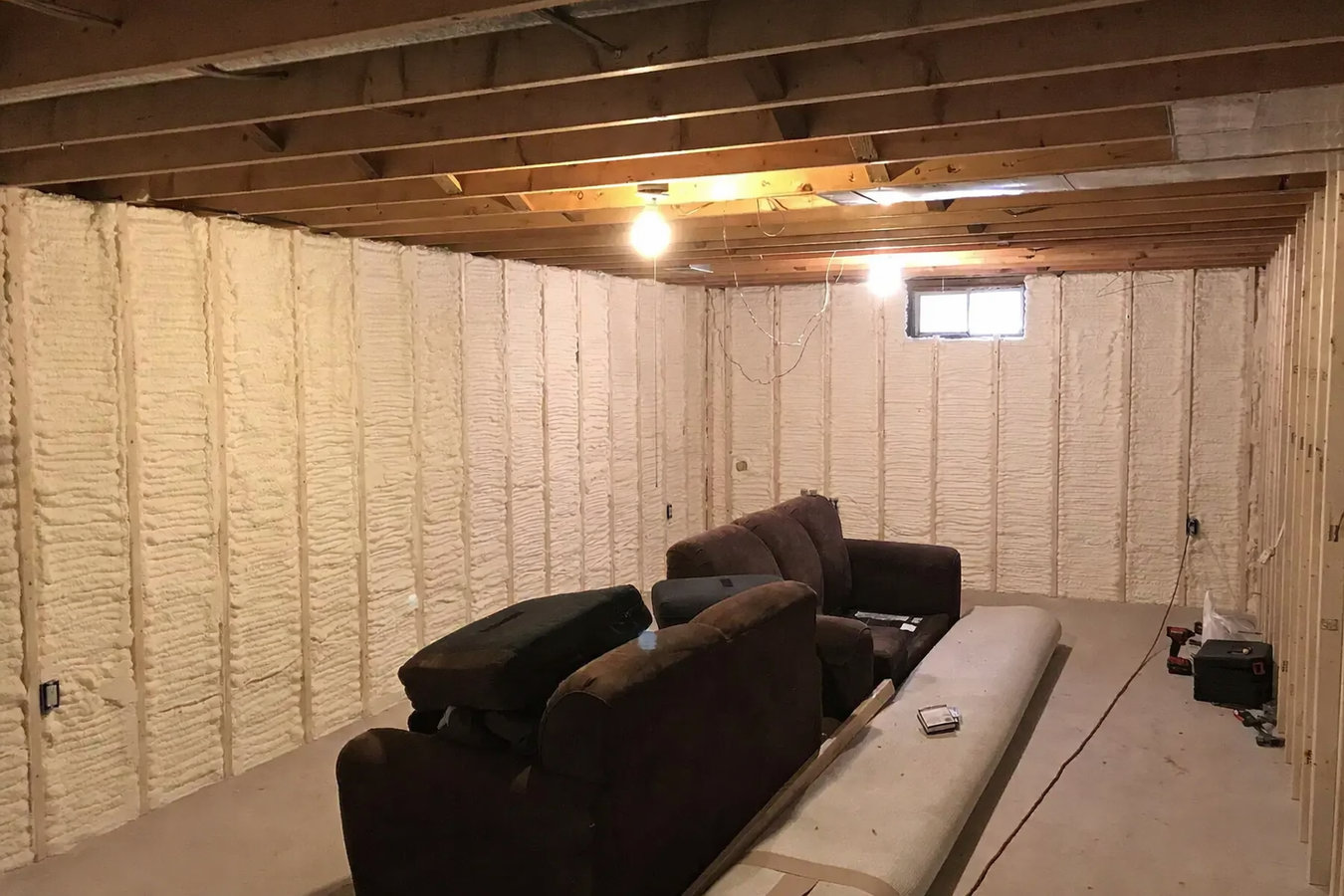
Cold floors in January and a struggling AC in July often trace back to an uninsulated basement. We fix the source so your home holds a comfortable temperature year-round.
Basement insulation in Sherman, TX creates a barrier between your living space and the heat or cold seeping through your foundation walls and floor - most projects are completed in one to two days and the difference is noticeable within the first full season.
Many Sherman homeowners are surprised to learn their basement is the hidden source of comfort problems upstairs. Cold first-floor floors in winter, a cooling system that never quite keeps up in July, and energy bills that seem higher than they should be - these are all signs that an uninsulated foundation is working against you. Homes in Sherman's older neighborhoods were frequently built with little or no basement insulation because the building codes of that era simply did not require it.
Basement insulation is often most effective when paired with crawl space insulation - together they address the full below-grade envelope of your home, stopping heat and cold from entering through any part of the foundation. A contractor who looks at your whole lower level will give you the most complete picture of what is happening and what will make the biggest difference.
If you walk across your kitchen or living room on a January morning and the floor feels noticeably cold underfoot, that is often cold air moving up from an uninsulated basement below. Sherman's winter cold snaps are short but sharp, and an uninsulated basement ceiling lets that cold transfer directly into your living space and push your heating bill higher.
Sherman's summers are long and punishing, and if your air conditioner seems to run constantly without keeping up, heat entering through uninsulated foundation walls could be part of the problem. Foundation walls absorb heat from the surrounding soil and radiate it inward all summer long - insulation interrupts that process before it reaches your living space.
A persistent musty odor often signals that moisture is entering the basement and sitting there. White chalky streaks on concrete walls - called efflorescence - are mineral deposits left behind when water moves through the concrete and evaporates. Both are signs a contractor should evaluate before any insulation is installed, since insulating over a moisture problem can make it worse.
If you own an older home in one of Sherman's established neighborhoods and no one has ever insulated the basement, there is a good chance the space is losing energy year-round. Homes from that era were not built with today's energy costs in mind, and a quick walk-through will almost always reveal significant room for improvement.
We insulate both basement walls and the basement ceiling, depending on whether you want to bring the basement into your home's conditioned space or simply stop cold and heat from moving through the floor above. For basement walls, we use closed-cell foam insulation in situations where moisture is a concern - it insulates and seals at the same time, making it a strong choice for the damp conditions common in North Texas basements. Before any material goes in, we assess the space for moisture and address any active issues that need to be resolved first.
For basement ceilings and rim joists, batt insulation is a practical and cost-effective option that works well when installed with full cavity coverage and no compressed sections. We also pair basement insulation with crawl space insulation for homeowners who want to seal the entire below-grade envelope in one project - this approach tends to deliver the most noticeable improvement in comfort and energy use, because it removes every cold or hot pathway into the home from below.
Insulating foundation walls brings the basement into your home's conditioned space, suits finished or semi-finished basements, and works best when moisture is assessed first.
Insulating the ceiling keeps the basement as an unconditioned space while stopping cold and heat from moving through the floor above - a practical choice for unfinished storage basements.
Included with every estimate, this step ensures the insulation material chosen is matched to your basement's actual moisture conditions rather than a one-size-fits-all recommendation.
For homes with both a basement and a crawl space, we can address both areas in a single project to seal the full below-grade perimeter of your home.
Sherman sits in Grayson County in North Texas, where summer temperatures regularly climb past 100 degrees and winter cold snaps can push into the teens between November and March. An uninsulated basement does not just cost you comfort in one season - it works against you all year. In summer, foundation walls absorb heat from the surrounding soil and radiate it inward, adding load to your cooling system. In winter, cold air seeps up through the floor and forces your heating system to compensate. The U.S. Department of Energy estimates that properly air-sealing and insulating a basement can reduce heating and cooling costs by 10 to 20 percent in a typical home.
Sherman's heavy clay soils add another layer of complexity. Clay expands when wet and shrinks when dry, and that seasonal movement can create small cracks in foundation walls over time - turning them into pathways for moisture and outside air. This is something we check for during every basement estimate, because the right insulation material for a dry basement is different from the right choice for a basement with active moisture movement. We work with homeowners across Sherman and Denison whose basements have never been insulated - and addressing the foundation is consistently one of the highest-impact improvements they make to their homes.
We will ask a few basic questions about your basement - its size, whether it is finished, and whether you have noticed any moisture issues. This helps us arrive prepared with the right materials and give you a realistic time estimate before anyone comes to your home.
We walk through your basement and check the walls, ceiling, and any existing insulation. We look for moisture, foundation gaps, and how the space is currently used. You receive a written estimate covering what will be done and what it will cost - before you commit to anything.
Before the crew arrives, move stored items away from the walls and clear a path. That is the main thing you are responsible for. If spray foam is part of the plan, plan to be out for a few hours while it cures - batt installation has no odor or waiting period.
Before we leave, we walk you through the finished work so you can see every section that was covered. We leave the space clean, and we provide written documentation of the materials used - useful if you sell the home or make an insurance claim in the future.
Free estimate. No obligation. We assess moisture conditions before recommending anything.
(903) 294-5640Insulating over a damp basement is one of the most common mistakes in the industry - it traps moisture and can lead to mold behind the insulation. We assess your basement's moisture conditions as part of every estimate and match the material to what your space actually needs.
Grayson County's heavy clay soils expand and contract with every wet-dry cycle, and that movement can crack foundation walls and create hidden moisture pathways. Knowing this is not a generic fact for us - it is something we see in Sherman basements regularly and account for in every recommendation we make.
Every project comes with written documentation covering the materials installed and where. If you sell the home or make an insurance claim in the future, you have proof the work was done properly. We also walk you through the finished job so you can see every section that was covered.
The North American Insulation Manufacturers Association sets installation standards that define what correct coverage and density look like. We follow those standards on every project - it is how we ensure the insulation you paid for actually performs the way it should.
When you call us for basement insulation in Sherman, you are getting a contractor who knows the local conditions, does the moisture assessment first, and shows you exactly what was done before leaving. That combination is what makes the difference between insulation that holds up and work that creates problems down the road.
The highest-performance option for basement walls in moisture-prone areas - seals air gaps and resists water vapor in one application.
Learn MoreSeal the full below-grade perimeter by combining basement and crawl space insulation in a single project.
Learn MoreSherman summers are already here - the sooner your foundation is insulated, the sooner you stop paying for it on your energy bill.