
Loading...
Serving Sherman, TX and surrounding areas. (903) 294-5640
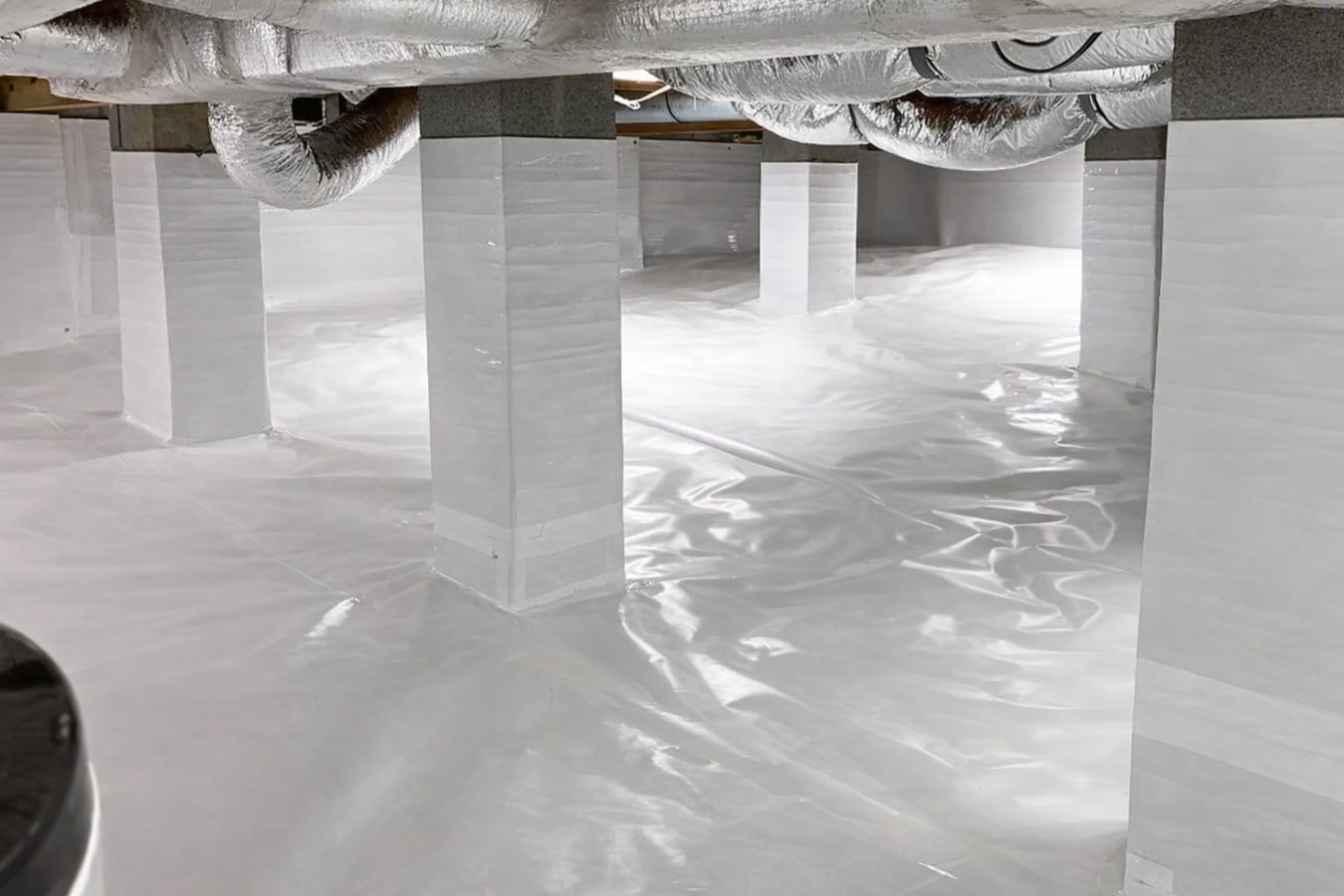
Sherman's clay soil holds moisture for weeks after rain. Without a vapor barrier, that moisture works its way into your floor joists, your insulation, and eventually your living space.
Crawl space vapor barrier installation in Sherman, TX involves laying heavy-duty plastic sheeting across the bare dirt floor and foundation walls of your crawl space to block ground moisture from rising into your home - most jobs are completed in one to two days with no disruption to your daily routine.
If you've noticed a musty smell drifting up through your floors on a hot afternoon, soft spots where the floor used to feel solid, or energy bills that keep climbing without explanation, ground moisture in the crawl space is often the cause. Sherman sits on clay-heavy soil that holds water for days after a storm - and without a barrier, that moisture has a direct path into your floor joists and insulation. Pairing a vapor barrier with crawl space insulation gives the space below your home comprehensive protection against both moisture and heat loss.
The U.S. Department of Energy notes that moisture control in crawl spaces is one of the most effective steps a homeowner can take to protect their home's structure and reduce energy costs. A properly sealed crawl space can also reduce allergy symptoms tied to mold spores that circulate from below through your floors and HVAC system. For more details on moisture control best practices, the U.S. Department of Energy publishes guidance for homeowners.
This is one of the clearest signs that moisture has been working on the wood under your feet for a while. In Sherman, where clay soil keeps the ground damp for extended periods after rain, floor joists can absorb enough moisture over time to begin softening - even when there's no visible damage from above. If a spot that used to feel solid now has a little give, have someone look at the crawl space.
That smell is almost always moisture-related - damp wood, mold beginning to grow, or both. In Sherman's humid summers, crawl spaces without a vapor barrier can develop that odor quickly, and it drifts into the living space through gaps in the floor or through your HVAC system. If the smell is strongest near floor vents or in rooms that sit over the crawl space, that's a strong signal.
When a crawl space is damp, the air under your home is harder to heat and cool - and that extra work shows up on your utility bill. Sherman summers are already expensive to cool, and a moisture-laden crawl space makes your system work even harder. If your bills have risen gradually and you haven't changed your habits, the crawl space is worth investigating.
Water droplets on pipes, rust on metal fasteners, or chalky white stains on the foundation walls are all signs of chronic moisture. The white deposits - called efflorescence - happen when water moves through concrete and leaves minerals behind as it evaporates. These are visible signs that moisture has been present long enough to leave a mark and warrants professional attention.
We install heavy-duty plastic sheeting across the full floor of your crawl space, overlapping seams by at least a foot and taping every joint so moisture can't sneak through gaps. The material runs up the foundation walls and is secured in place - not just laid loosely on the ground. The thickness we recommend depends on your specific crawl space conditions, but we always use material rated to hold up through Sherman's long humidity season and the occasional foot traffic that comes with plumbing and pest control visits. This is the work described in full detail on our vapor barrier installation page, where we walk through material options and the full installation process.
Many homeowners choose to combine vapor barrier installation with crawl space insulation in a single visit. Addressing both moisture and thermal protection at the same time means less disruption, and the two systems work together - insulation performs better when the crawl space isn't damp, and a vapor barrier lasts longer when it isn't being stressed by temperature extremes. We assess both during the initial walkthrough and give you a combined quote so you can decide what makes sense for your budget.
Suits most Sherman homes - heavy-duty plastic laid across the full crawl space floor with taped seams and foundation wall coverage.
For homes with persistent moisture problems - seals vents and the entire crawl space envelope, often with a dehumidifier added.
Ideal for older homes where existing material has torn, shifted, or degraded and needs to be pulled out and replaced.
For homeowners who want to know exactly what's in their crawl space before committing to any specific work - typically provided at no charge.
Sherman sits on expansive clay soils that absorb water slowly and release it even more slowly. After a rainstorm, the ground under your home stays damp for days - sometimes weeks - pushing moisture upward continuously. Combined with long, humid summers where warm moist air enters through foundation vents and condenses on cooler surfaces below, homes in Sherman face moisture pressure from both the ground and the air. That's why contractors here typically recommend thicker barrier material than the minimum, and it's why a vapor barrier isn't a nice-to-have upgrade in this area - it's a practical necessity. Homeowners in Denison, TX and Pottsboro, TX face the same clay soil and humidity conditions and call us for the same reason.
A significant share of Sherman's housing stock was built between the 1950s and 1980s, well before vapor barriers were standard practice in North Texas construction. Many of these homes either have no barrier at all or have thin, degraded material that no longer does its job. The U.S. Environmental Protection Agency identifies moisture control as the key to preventing mold growth in homes. If your home is more than 30 years old and the crawl space has never been part of a maintenance conversation, there's a real chance the protection under your floors is inadequate or missing entirely. Unlike colder climates that get a natural dry-out period in winter, Sherman's mild winters mean the moisture problem is present all twelve months of the year - and waiting doesn't make it smaller.
When you call, we'll ask a few basic questions - how old is your home, have you noticed any smells or soft spots, when did you last have the crawl space looked at. This helps us show up prepared. Most Sherman homeowners can get a visit scheduled within one business day.
We access your crawl space through the floor hatch or exterior panel and check for existing moisture damage, the condition of any old barrier, standing water, mold, and the size of the space. This visit is free and forms the basis for your written estimate with no obligation.
After the assessment you'll get a written quote spelling out exactly what work will be done, what materials will be used, and the total cost. Any prep work - removing debris, addressing standing water - is itemized separately so you can see exactly what you're paying for.
The crew clears the crawl space, lays the heavy plastic sheeting across the entire floor with overlapping taped seams, and secures it to the foundation walls. Most standard Sherman homes are done in four to eight hours. Before leaving, we show you photos or walk you to the access point so you can see the finished work yourself.
Free assessment, written estimate, no pressure. Most visits scheduled within one business day.
(903) 294-5640The clay soils under Sherman homes behave differently from the sandier soils in other parts of Texas. We've worked in crawl spaces throughout Grayson County and understand how the local moisture patterns and soil conditions affect what materials and installation methods hold up here over time.
Loosely laid plastic with no tape is one of the most common signs of a rushed job. We overlap seams by at least a foot and tape every joint, then secure the barrier to the foundation walls. That's the installation that actually lasts - not just the one that looks done from a distance.
We give you a written estimate up front and documentation of the materials installed before anyone starts work. Having a clear written record means you know exactly what was done - which matters for work you can't see from inside your home.
We show you photos of the completed installation or walk you to the access point so you can look for yourself. A contractor who does quality work won't hesitate to show you what was done. You shouldn't have to take anyone's word for it on work that happens under your house.
We've been working in Sherman and the surrounding area long enough to know what the clay soil and humidity do to homes here over time. That local experience shows up in the material choices we recommend, the installation details we don't skip, and the way we explain what we found so you can make an informed decision.
Learn about material options, thickness ratings, and the full installation process for vapor barriers across all areas of your home.
Learn MoreAdd thermal insulation to your crawl space alongside moisture protection for a complete solution that keeps floors warmer and energy bills lower.
Learn MoreSherman's clay soil and humid summers don't let up. A free crawl space assessment takes less than an hour and gives you the full picture - call now or request your estimate online.