Loading...
Serving Sherman, TX and surrounding areas. (903) 294-5640
Ground moisture under your home is silent and slow - until soft floors, musty smells, and climbing energy bills make it impossible to ignore. A properly installed vapor barrier stops the problem at the source.
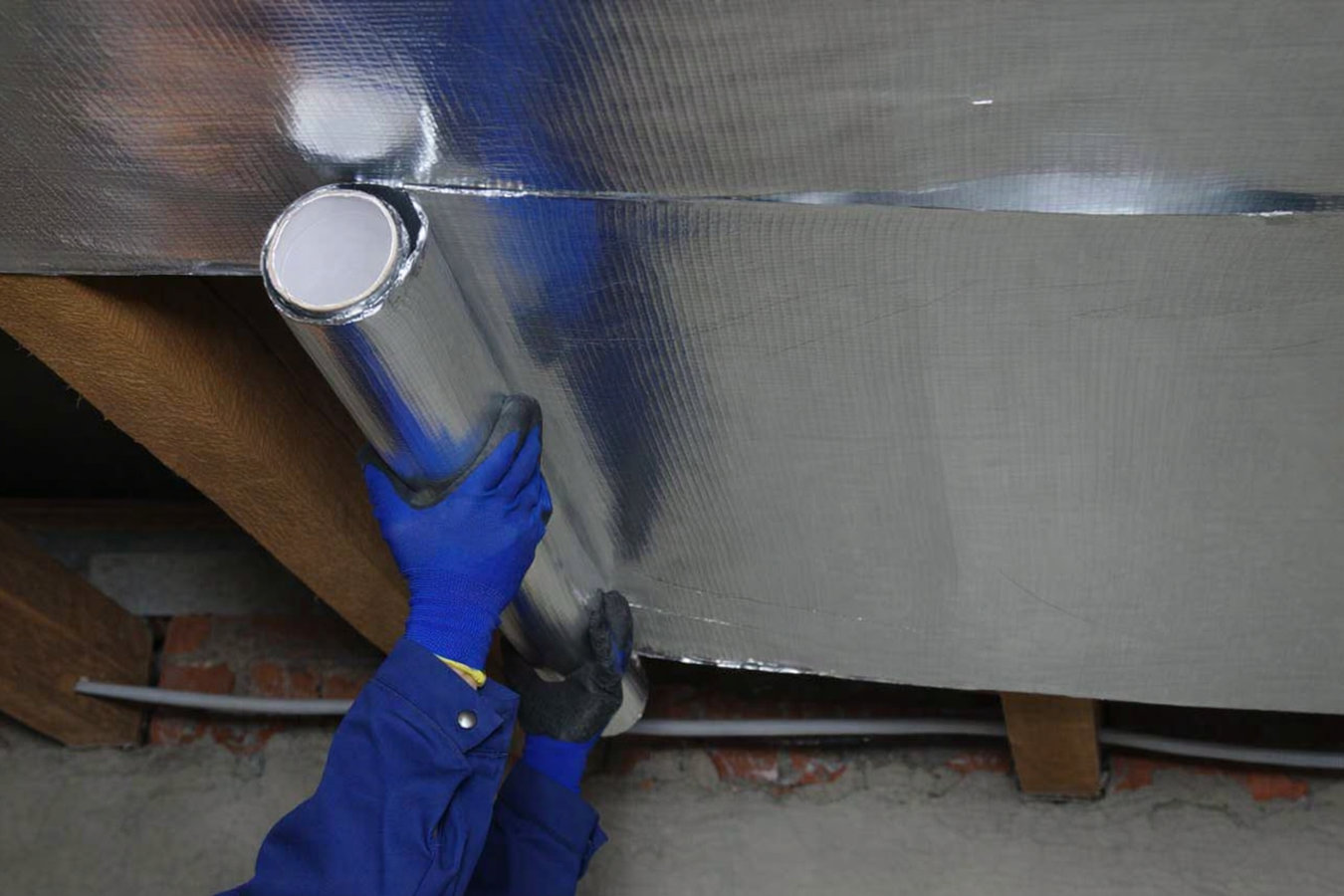
Vapor barrier installation in Sherman, TX involves laying thick plastic sheeting across the bare dirt floor of your crawl space - and often up the foundation walls - to block ground moisture from rising into your home's structure, with most residential jobs completed in one to two days.
Think of a vapor barrier as a raincoat for the underside of your house. Without it, moisture from Sherman's clay-heavy soil works its way up through the dirt, into your floor joists and insulation, and eventually makes its presence known through soft spots, musty smells, and energy bills that keep climbing. The older your home, the more likely it is that whatever moisture protection was installed originally has degraded or was never adequate to begin with. If you want the full picture on what crawl space moisture protection involves, our crawl space vapor barrier page covers the basics, from material thickness to what a quality installation looks like.
The Building Science Corporation has published detailed guidance on crawl space moisture management, noting that properly sealed crawl spaces are among the most effective ways to protect a home's structural components and improve energy efficiency. For a home in Sherman where the ground stays damp for much of the year, that guidance is directly applicable - this isn't a theoretical benefit, it's a practical one that shows up in your utility bills and in the long-term condition of your floors.
Spots in your floor that give a little when you walk on them - or a floor that used to feel solid and now has some bounce - are a common sign of moisture damage to the subfloor. In Sherman's clay-soil environment, ground moisture can work its way up into floor joists over years without any visible sign from above until the damage is already significant.
A damp, earthy smell that gets stronger after a rainstorm - particularly near the floor level or in rooms over the crawl space - points to moisture buildup below. Sherman's frequent spring rains and heavy clay soil mean water can pool under homes for days, and that smell is often the first thing homeowners notice before any physical damage is visible.
Damp insulation under your floors loses most of its ability to keep heat in or out, which forces your HVAC system to work harder. If your heating and cooling costs have crept up over the past year or two and nothing obvious has changed, a wet crawl space is worth investigating. This is especially noticeable in Sherman summers when air conditioning costs are already high.
Many Sherman homes built before the 1990s were constructed without any vapor barrier - it simply wasn't required or standard at the time. If you've owned your home for years and can't recall any crawl space work being done, or if you're buying an older home and the inspection report is silent on this, it's worth having a contractor take a look before the next wet spring season.
We install vapor barriers that are built to last - not just to pass a quick inspection. That means thicker plastic rated for foot traffic and pest activity, seams overlapped by at least 12 inches and taped at every joint, coverage running up the foundation walls and sealed around any pipes or posts that pass through the floor. We also handle the prep work that a cut-rate installation skips: clearing debris, addressing standing water, and removing old degraded material so new sheeting goes down on a clean, dry surface. The specific service for crawl space protection is covered in detail on our crawl space vapor barrier page.
Vapor barrier work pairs naturally with other envelope improvements. Many homeowners schedule vapor barrier installation alongside attic air sealing to address moisture and air movement throughout the full home envelope in a single project visit. Doing both at once eliminates redundant trips and gives your home top-to-bottom protection - which matters in a climate where heat and moisture both work against your structure for most of the year. We assess the attic and the crawl space during the same walkthrough and give you combined pricing so you can decide what makes sense.
The most common application - heavy-duty plastic across the full crawl space floor with taped seams and wall coverage for homes in Sherman and surrounding areas.
For homes with persistent moisture issues - seals the entire crawl space envelope including vents, often with a dehumidifier to actively manage humidity levels.
For homes where existing material has torn, shifted, or degraded beyond usefulness - old plastic is removed and replaced with properly installed, heavy-duty material.
For homeowners who want a clear picture of what's in their crawl space before committing to any work - provided at no charge as part of every estimate visit.
Sherman averages more than 40 inches of rain per year, and the area's Blackland Prairie clay soils hold that water close to the surface long after storms pass. When the ground under your home stays saturated for days at a time, moisture has nowhere to go but up - and without a barrier, it finds its way into the wood structure of your home continuously. This isn't a seasonal problem that resolves itself in dry weather. The mild winters here mean the moisture cycle runs year-round, which is why homeowners in Sherman, TX and nearby Gunter, TX regularly reach out about moisture problems that are present in every season.
A significant portion of Sherman's residential neighborhoods were built between the 1950s and the 1980s, when vapor barriers weren't yet standard practice in North Texas construction. Homes from that era - particularly the ranch-style brick homes common in established Sherman neighborhoods - often have no moisture protection under the crawl space at all, or have original thin plastic that has long since torn and shifted. Any contractor you hire should give you a written estimate up front and document the materials they install, so you have a clear record of the work before it begins. The ENERGY STAR program also identifies crawl space sealing as one of the most cost-effective home improvements available to homeowners in humid climates like Sherman's.
When you reach out, we'll ask about your home's age, whether you've noticed moisture or smell issues, and roughly how large your crawl space is. We'll schedule a free inspection - usually within one business day - with no obligation to move forward.
We get under your home and check for standing water, existing insulation, the condition of any old barrier, and how accessible the space is. We measure the square footage and note anything - debris, drainage issues - that needs to be addressed before the barrier goes in.
You'll receive a written quote that spells out exactly what work is included, what materials will be used, and the total cost. Prep work is itemized separately so you can see what you're paying for. We never ask you to approve verbal-only quotes for work you can't observe.
The crew lays the barrier material across the crawl space floor, overlaps and tapes the seams, and secures it to the foundation walls with coverage around any penetrations. Most Sherman homes are done in one day. Before we leave, we show you the finished work - photos or a direct look at the access point - so you can see it for yourself.
Written quote, no pressure, no obligation. We schedule most visits within one business day.
(903) 294-5640You get a written estimate up front and documentation of the materials we install and where they went. You can see exactly what the job involves before anyone sets foot under your house. That transparency is the foundation of every job we take on.
We don't default to the thinnest material that meets the minimum spec. Sherman's clay soil and long humidity season call for heavier-duty plastic that holds up through foot traffic, pest control visits, and years of moisture exposure. We explain what we're using and why before the job starts.
Loosely laid sheeting with no tape is a common shortcut. We overlap every seam by at least a foot and tape every joint, then secure the barrier to the foundation walls so it stays in place. The details that get skipped on rushed jobs are the ones that determine whether your barrier still works in five years.
We've been working in Sherman and the communities around it long enough to know the specific moisture challenges that come with local clay soil, the age of the housing stock, and how the seasons here affect what's under these homes. That local track record means fewer surprises on your job.
Every job we complete in Sherman is work you can verify - we show you the finished installation before we leave, and we back our workmanship so you're not left wondering whether the job was done right after the crew drives away.
Pair vapor barrier protection below with attic air sealing above for a complete home envelope solution that cuts energy waste from both ends.
Learn MoreRead about crawl space-specific installation details, material options, and what sets a quality vapor barrier job apart from a rushed one.
Learn MoreSherman's wet spring season arrives fast. A free vapor barrier assessment takes less than an hour and gives you a written quote with no obligation - call now or request your estimate online.